
Four Point Inspection
Overview
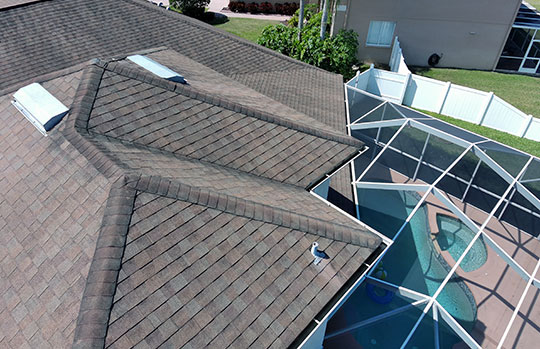
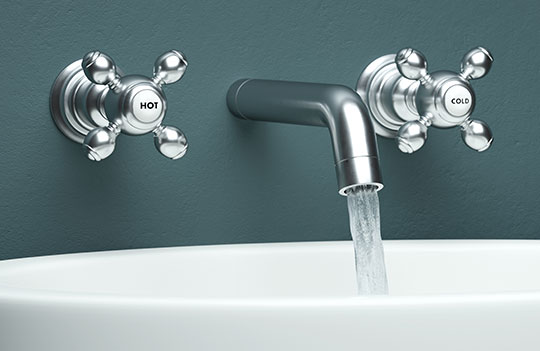
A four-point inspection is a focused evaluation of a home’s four key systems: roofing, electrical, plumbing, and HVAC (heating, ventilation, and air conditioning). It is commonly required for older homes, particularly by insurance companies, to assess the condition and safety of these systems before issuing or renewing a policy. Conducting a four-point inspection helps homeowners identify potential issues early, ensures safety, and can facilitate smoother insurance processes.
Elements of a Four-Point Inspection

Common Questions About The Four Point Inspection
What is a four-point inspection?
A four-point inspection is a focused examination of a home’s four critical systems: roofing, electrical, plumbing, and HVAC. It assesses the condition and functionality of these areas, primarily for insurance purposes.
Why do I need a four-point inspection?
Insurance companies often require a four-point inspection for older homes (typically 25 years or older) to determine the risk associated with insuring the property. It helps identify potential issues that could lead to costly claims.
How is a four-point inspection different from a full home inspection?
A full home inspection is a comprehensive review of the entire property, including structural components, exterior, interior, and more. A four-point inspection is narrower in scope, focusing only on the roof, electrical, plumbing, and HVAC systems.
How long does a four-point inspection take?
The inspection typically takes about 1 to 2 hours, depending on the size and condition of the home.
What happens if issues are found during a four-point inspection?
- If issues are discovered, homeowners may need to address them to obtain or maintain insurance coverage. This might involve repairs or upgrades to bring the systems up to standard.
How much does a four-point inspection cost?
- The cost varies by location and provider but generally ranges from $100 to $200, depending on the size and condition of the house. Safe Home Inspection offers a discount when bundled with a home inspection.
Can I do a four-point inspection myself?
- It’s recommended to hire a licensed and qualified inspector. They have the expertise to identify issues that might not be obvious to an untrained eye and ensure the report meets insurance company requirements.
Is a four-point inspection required for new homes?
- Typically, no. New homes usually meet current building codes and standards, eliminating the need for such inspections. However, individual insurance companies may have different requirements.
How often should a four-point inspection be done?
- It’s usually required when obtaining or renewing home insurance, particularly if there have been significant changes or if the home is older. Regular home maintenance and periodic inspections are recommended for ongoing safety and functionality.