Moisture Intrusion

About Moisture Intrusion

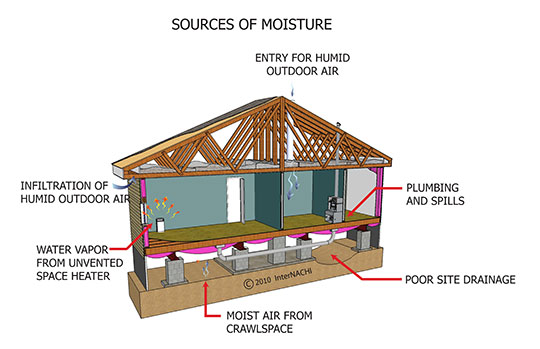
Moisture intrusion inspections are essential for identifying and addressing unwanted water entry into buildings, which can lead to structural damage, mold growth, and health issues. These inspections involve a comprehensive assessment to detect moisture sources and affected areas, ensuring the integrity and safety of the property.
Key Elements of a Moisture Intrusion Inspection:
Visual Examination:

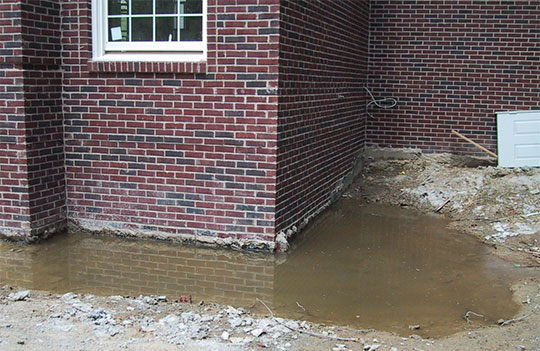
Our inspectors conduct a thorough visual assessment of the property’s exterior and interior to identify signs of moisture intrusion, such as water stains, mold, or deteriorated materials.

Moisture Meter Testing:

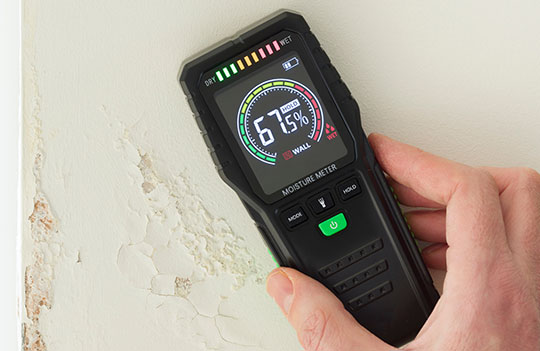
Utilizing moisture meters, inspectors measure the moisture content in building materials to detect hidden dampness that may not be visible.

Moisture Meter Testing:

Utilizing moisture meters, inspectors measure the moisture content in building materials to detect hidden dampness that may not be visible.

Infrared Thermography:

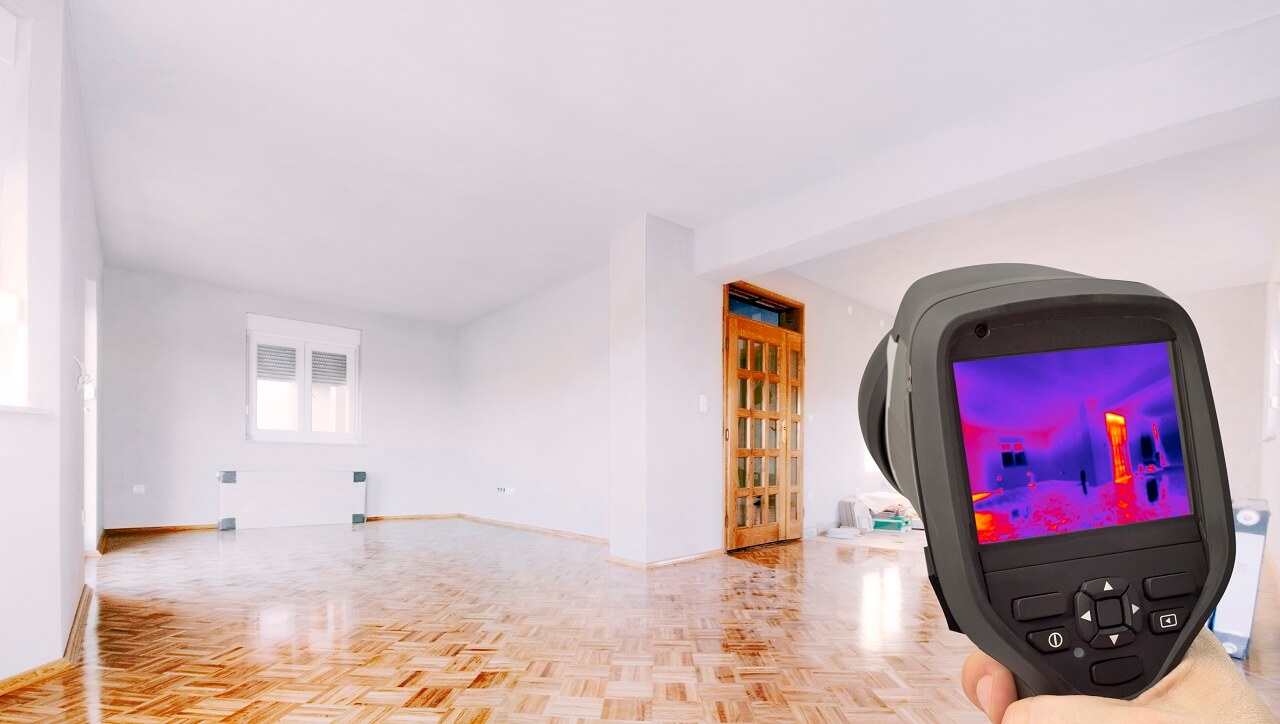
Thermal imaging cameras are used to detect temperature variations in building materials, which can indicate moisture presence behind walls or under floors.

Assessment of Building Envelope:

Inspectors evaluate the condition of the building’s exterior components, including roofs, siding, windows, and doors, to identify potential entry points for moisture.

Assessment of Building Envelope:

Inspectors evaluate the condition of the building’s exterior components, including roofs, siding, windows, and doors, to identify potential entry points for moisture.